Scary Books for Grown-Ups Who Like a Good Shiver: A Reading List
Not gory, not exhausting, just unsettling enough that you leave the landing light on. Classic and modern scary books worth reading by lamplight, from M. R. James and Shirley Jackson to Stephen King and Mariana Enríquez.
By Alexander Rahman · · 4 min read
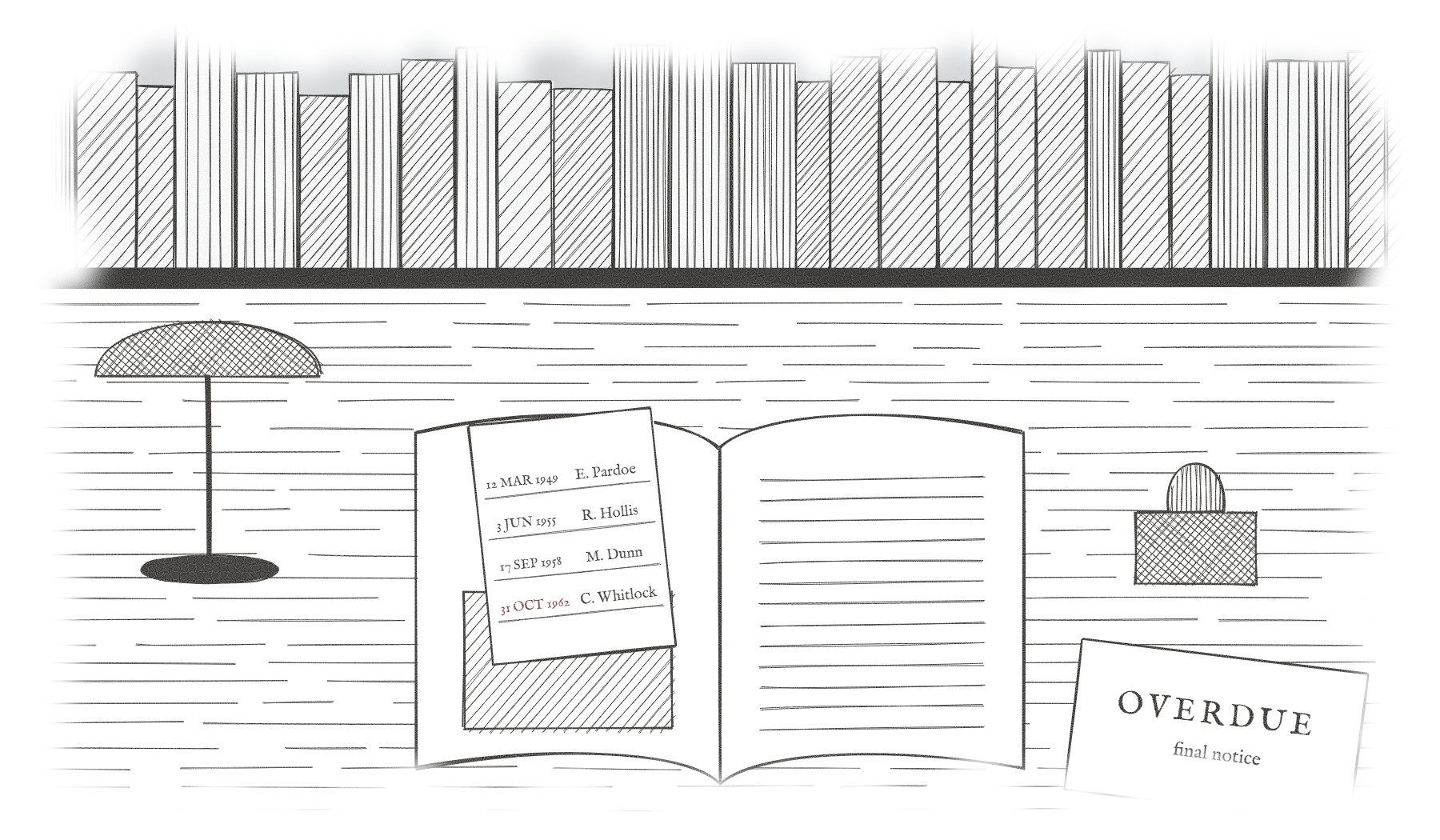
There's a particular kind of scary book that's perfect for reading in bed with one lamp on. Not gory. Not exhausting. Just unsettling enough that you finish a chapter and decide, actually, you'll leave the landing light on tonight.
If that's your kind of reading, here are some of the best — a mix of old classics and modern favorites, with a note on what makes each one work. I've tried to pick books that are easy to find and that hold up, rather than the obvious bestseller list. Everybody's taste in fear is different, so treat this as a starting point.
The classics
M. R. James, Ghost Stories of an Antiquary (1904). If you only read one collection of traditional ghost stories, make it this one. James was a Cambridge scholar who wrote his stories to read aloud to friends at Christmas, and you can feel that in them: dry, scholarly narrators who stumble onto something they really shouldn't have. "Oh, Whistle, and I'll Come to You, My Lad" is the famous one — a whistle found on a beach, and a bed in a seaside hotel that isn't as empty as it should be. James is a master of the thing glimpsed at the edge of your vision.
Shirley Jackson, The Haunting of Hill House (1959). Possibly the best haunted house novel ever written, and it barely shows you anything. Its opening paragraph is one of the most quoted in horror. What makes it frightening isn't the house so much as Eleanor, the lonely woman who comes to stay there — and the creeping sense that the house wants her. Jackson's We Have Always Lived in the Castle (1962) is also brilliant, and stranger.
Susan Hill, The Woman in Black (1983). A short, perfectly built ghost story in the Victorian style, about a young solicitor sent to sort out a dead woman's papers in a lonely house on the marshes. It's the book I'd hand to someone who says they don't read horror. It's atmospheric, sad, and has a final chapter that has stayed with many readers for a very long time.
Daphne du Maurier's short fiction. Most people know her for Rebecca, but her stories — including "The Birds" and "Don't Look Now" — are wonderfully unnerving. She's very good at the moment where a normal holiday, or a normal afternoon, tilts slightly and becomes something else.
Short story collections
Stephen King, Night Shift (1978). King's first short story collection, and still one of his best. It ranges from creepy to grotesque to sad, and it's a good way to sample his style without committing to a 1,000-page novel. A lot of the stories became films. Several of them are about ordinary jobs and ordinary places going wrong, which is a theme I'll always love.
Mariana Enríquez, Things We Lost in the Fire (English translation 2017). Dark, modern stories set mostly in Argentina, mixing real social horrors with the supernatural. Not cosy. Very good. If you want horror that feels like it has something to say, start here.
Carmen Maria Machado, Her Body and Other Parties (2017). Strange, literary, and often frightening in unexpected ways. It's not a traditional ghost story collection — it's closer to fairy tales gone wrong — but if you like your unease with a bit of edge, it's remarkable.
Novels for when you've got a whole weekend
Bram Stoker, Dracula (1897). Worth reading even if you think you know the story, because the book is so different from the films. It's told in letters and diary entries, which makes it feel oddly modern — like reading someone's leaked messages. The opening chapters at the castle are genuinely creepy.
Mary Shelley, Frankenstein (1818). Less scary, more haunting. It's really a book about loneliness and responsibility, and it's far sadder than the green-faced monster of popular culture suggests. Shelley was about eighteen when she started writing it, which never stops amazing me.
Why short stories work so well for this
A lot of my favorites here are short stories, and that's not an accident. Horror can be exhausting at novel length — the tension has to be stretched for hundreds of pages, and sometimes it snaps. A short story can do one thing perfectly: set up a rule, a place, a person, and one moment of dread, and then get out before it wears thin.
They're also ideal for reading before sleep. One story, one shiver, lights off. You don't have to commit to a whole haunted house. Just one room of it.
A few tips for reading horror at night
- Pick the right length. Short stories before bed; novels for daylight or weekends, unless you enjoy not sleeping.
- Read the older ones slowly. Victorian and Edwardian ghost stories can feel slow at first. Let them. The pace is part of the creep.
- Know your limits. If a book is genuinely upsetting you rather than giving you a good shiver, put it down. There's no prize for finishing.
- Try reading aloud. Ghost stories were often written to be told. M. R. James's especially come alive when you read them out — ideally in a slightly too-serious voice.
One last thing
The best scary books rarely rely on gore or shock. They rely on atmosphere, on restraint, and on the small, ordinary fears we all have — being alone, being disbelieved, being somewhere we shouldn't. That's why a hundred-year-old ghost story can still keep you awake. The world changes; those fears don't.
If you've worked your way through the classics and want something new in the same spirit — short, atmospheric, set in ordinary places — Midnight Dread and The House on Hollow Lane are on our shelves.
- #horror
- #book recommendations
- #ghost stories
- #reading list