Tummy Time Without Tears: Practical Ideas for Babies Who Hate It
Lots of babies protest tummy time. Why it matters, why it's hard work for them, and gentle ways to make it easier, from chest-to-chest cuddles to mirrors and short sessions tied to everyday routines.
By Alexander Rahman · · 5 min read
Tummy time sounds lovely when you read about it. Your baby, lying contentedly on their front, lifting their little head to gaze at the world.
Then you actually try it, and your baby face-plants into the play mat and screams like you've betrayed them personally.
If that's your house, you're in very good company. Lots of babies dislike tummy time at first. Here's why it matters, why babies often hate it, and some practical ways to make it easier for both of you.
Why tummy time matters
Since babies started being placed on their backs to sleep — which is the safest way, and greatly reduces the risk of sudden infant death — they spend much of their time lying face-up. That's exactly right for sleep. But babies also need time on their fronts while they're awake and supervised.
Tummy time helps babies:
- build strength in the neck, shoulders, arms and back,
- work towards rolling, sitting and crawling,
- and reduce the chance of developing a flat spot on the back of the head from lying in one position too much.
It's also a different view of the world, which is good for curious little brains.
When to start, and how much
Many pediatric organizations suggest starting tummy time soon after birth, in very short sessions — a minute or two at a time, a few times a day — and building up gradually as your baby gets stronger. Guidance from the American Academy of Pediatrics suggests working up to around 15 to 30 minutes in total each day by about seven weeks of age, spread across short sessions. As babies grow, they can do more.
You don't need to do it all at once. Little and often is the whole trick. Three minutes after a diaper change counts.
Always check with your own pediatrician if you're unsure what's right for your baby, especially if your baby was born early or has any health conditions.
Why do so many babies hate it?
It's hard work. Imagine trying to do a press-up when your head is a third of your body weight. That's roughly what it feels like for a young baby to lift their head. They get tired quickly and frustrated quicker.
It's also unfamiliar. Babies who spend most of their time on their backs may simply not be used to the feeling, and new things are often met with protest.
The good news: most babies grumble less as they get stronger. The protest isn't a sign you should stop. It's a sign they're working.
Ways to make it easier
Start on you
Tummy time doesn't have to be on the floor. Lie back on a couch or bed (propped up a bit), and let your baby lie on your chest, tummy to tummy. They'll lift their head to look at your face. It counts — and most babies like it far better.
Get down to their level
Lie on the floor facing them. Your face is the most interesting thing in their world. Talk, sing, pull faces. They'll want to lift their head to see you.
Try a rolled towel
For young babies, a small rolled-up towel or blanket placed under their chest and armpits (with their arms forward over it) can make it a little easier to lift their head. Stay right with them, and remove it when you're done.
Use a mirror
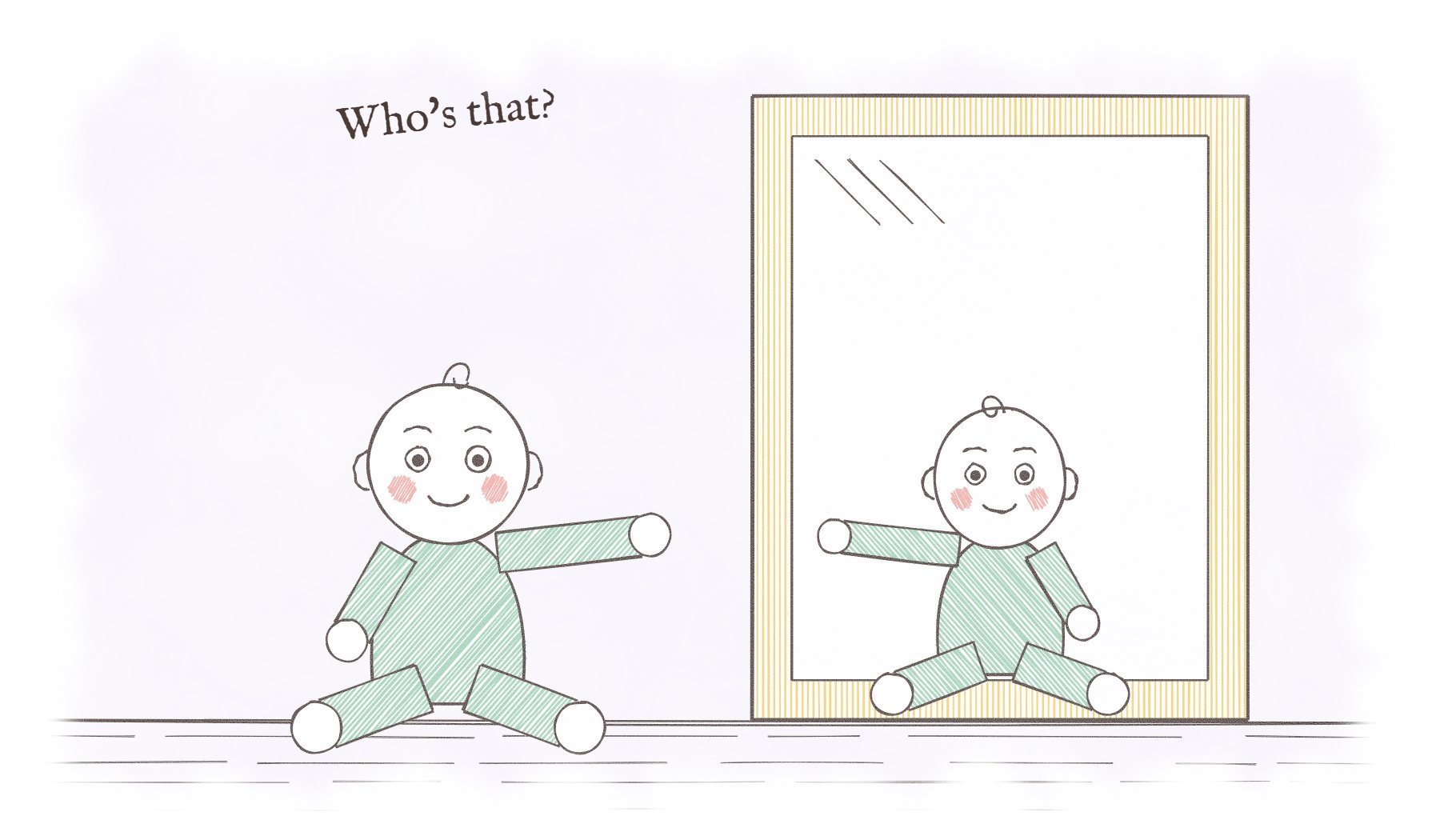
A baby-safe, shatterproof mirror placed in front of them on the floor gives them a fascinating face to look at — their own. Lots of babies who hate tummy time will lift their heads for a mirror.
Interesting things to look at
High-contrast pictures, a favorite toy, a crinkly book. Put them just in front of your baby, slightly up, so they need to lift their head to see.
Lap time
Lay your baby across your lap, tummy down, while you gently rub their back. This is a good calming position too.
Pick your moment
Tummy time goes better when your baby is awake, alert and not too full. Right after a big feed can be uncomfortable. A hungry or overtired baby is going to complain whatever you do.
Keep it short and stop before tears
A few happy minutes is better than ten miserable ones. If your baby is getting really upset, stop, cuddle them, and try again later. You're building a habit, not running a boot camp.
Making it part of the day
The easiest way to fit tummy time in is to tie it to things you already do:
- after every diaper change,
- after a bath,
- when they wake from a nap,
- while you're folding laundry on the floor next to them.
Before you know it, you'll have done it several times a day without really planning.
Safety first
- Tummy time is only for when your baby is awake and someone is watching. If they fall asleep on their front, gently turn them onto their back and move them to a safe sleep space.
- Always place babies on their backs to sleep, on a firm, flat surface, with nothing else in the crib.
- Use a clean, flat, safe surface for floor play, away from pets, stairs and small objects.
When to talk to your doctor
Mention it to your pediatrician if your baby:
- still can't lift their head at all during tummy time by around three months,
- always turns their head to the same side, or you notice a flat spot developing,
- seems very stiff or very floppy,
- or isn't rolling, or sitting with support, by around six to seven months.
Every baby develops at their own pace, and most of these things turn out to be fine. But it's always worth asking.
A last word
If your baby hates tummy time, you're not doing it wrong. Almost every parent has stared at a furious face-down baby and thought, is this really necessary? It is. And it does get easier. One day — probably when you're not watching — they'll push up on their arms, look around the room like a tiny lion surveying its kingdom, and you'll realize all those grumpy minutes paid off.
For more about the funny, puzzling things babies do in their first year — and why — see Tiny Humans, Big Reactions.
This article is general information, not medical advice. If you're concerned about your baby's health or development, talk to your pediatrician.
- #babies
- #tummy time
- #development
- #parenting tips