The Best Free Ways to Explore History Online
Some of the world's greatest collections are now free to explore from your couch: museum collections, national archives, old newspapers, medieval manuscripts, centuries of court records and the Voynich Manuscript itself.
By Alexander Rahman · · 4 min read
One of the best things about the internet — and there are days when it feels like there aren't many — is that some of the world's greatest collections of historical documents, objects and images are now free to explore from your couch.
You don't need a university login. You don't need to be an expert. You just need a bit of curiosity and an evening to lose. Here are some of the best places to start, with a note on what makes each one special.
Museum collections
The British Museum Collection Online. The British Museum has put a huge part of its collection online, with photographs and descriptions of millions of objects. You can search for anything — Egyptian mummies, Roman coins, Assyrian reliefs, medieval chess pieces — and often zoom right in. It's dangerously easy to spend hours here.
The Metropolitan Museum of Art (New York). The Met has released hundreds of thousands of images of public-domain works under an open-access policy, meaning you can view and even download high-resolution pictures for free. Search by period, culture or object type. The Egyptian and arms-and-armor collections are especially rewarding.
The Smithsonian's open-access collections. The Smithsonian Institution in the United States has made millions of digital items available openly, across its many museums — natural history, American history, air and space and more.
Libraries and archives
The Library of Congress (USA). An enormous digital collection: historic newspapers, photographs, maps, manuscripts, recordings. The historic newspaper archive is a particular treat — you can read what people were actually reading about an event as it happened.
The Internet Archive. A non-profit digital library holding millions of books, films, recordings and archived web pages. Many old books that are out of copyright can be read in full for free. Its "Wayback Machine" lets you see old versions of websites, which is its own kind of history.
Europeana. A portal that brings together digitized collections from thousands of European museums, libraries and archives — artworks, books, letters, photographs, music. Great for finding things you didn't know you were looking for.
Your national archives. Many countries' national archives have searchable online catalogues and digitized records — census returns, military records, wills, maps. If you're interested in family history, start here.
Famous documents you can read yourself
Some of the most famous mysteries and documents in history are online in full:
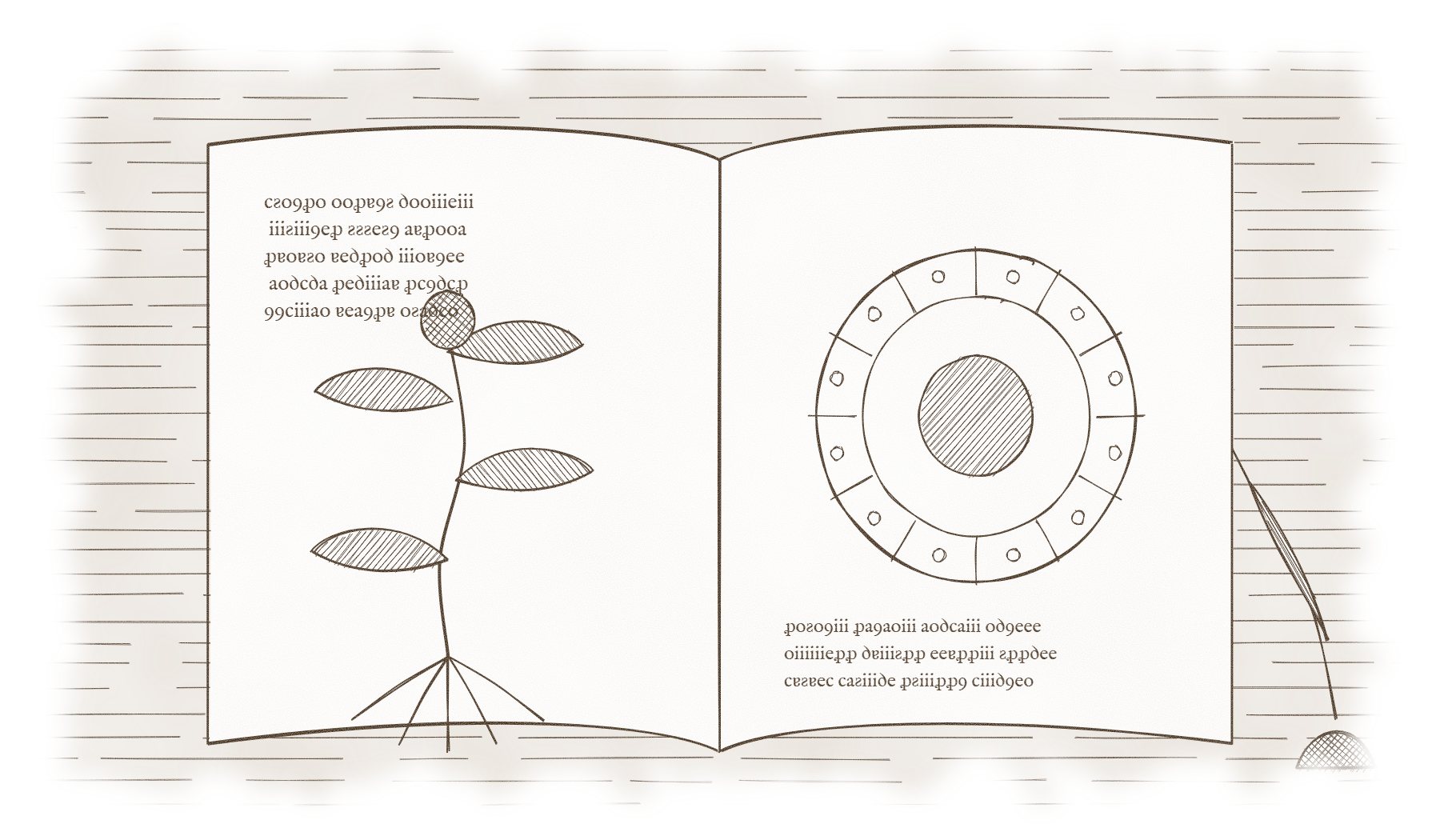
- The Voynich Manuscript — the mysterious fifteenth-century book that nobody can read — is available to view, page by page, through Yale University's Beinecke Rare Book and Manuscript Library. Looking at it yourself is a very strange experience. I'd recommend it.
- The Proceedings of the Old Bailey, London's central criminal court, have been digitized for the years 1674 to 1913 — nearly 200,000 trials. You can read the actual words spoken in court centuries ago. It's gripping, sometimes funny, often heartbreaking.
- Medieval manuscripts. Many major libraries, including the British Library, have digitized illuminated manuscripts with extraordinary detail. The doodles in the margins — knights fighting snails, rabbits with swords — are worth the trip alone.
Maps
Old maps are one of the most addictive things to explore online. Many libraries have digitized historic map collections, letting you compare how a town, coastline or country looked centuries ago with how it looks now. Some sites let you overlay old maps on modern ones. Seeing the street you live on as a field, or a river that's since been buried, is genuinely moving.
Virtual tours and 3D models
A growing number of museums and heritage sites offer virtual tours, and some archaeological sites have been scanned in 3D. You can't feel the cold of a stone circle at dawn from your laptop. But you can get a surprisingly good sense of the scale of a monument you may never get to visit.
How to use these well
A few tips, from the point of view of someone who's lost many evenings this way:
- Start with a question. "What did people eat in Roman Britain?" or "What did my town look like in 1900?" A question gives you a thread to follow instead of drowning in everything.
- Look at the original. Whenever you can, look at the actual document, photo or object, not just someone's summary of it. You'll notice things others missed.
- Check the source. Big institutions are generally reliable about what an object is and where it came from. Random social media posts about "a photo from 1850" often aren't. If a historical image goes viral, look it up in a proper archive.
- Be patient with old handwriting. It gets easier with practice. Honestly.
- Respect the collections. Many open-access images are free to reuse, but not all are. Check the terms if you want to use something publicly.
Why this matters
For most of history, seeing these things meant being rich enough to travel, or important enough to be let into a reading room. Now a teenager anywhere with an internet connection can read a Victorian trial transcript or zoom into a two-thousand-year-old coin.
That's an extraordinary change, and it's worth using. History isn't just something experts tell us about. It's evidence we can look at ourselves — and once you start looking, it's very hard to stop.
If you'd like a guided way in, Echoes of History tells fourteen real mysteries using the actual evidence — and ends with a short guide to thinking like a historian.
- #history
- #online resources
- #museums
- #archives