Historical Mysteries That Science Finally Cracked
A king under a car park, two lost ships in the Arctic, the man on the beach in Adelaide, and the Dyatlov Pass. How DNA, sonar and computer models have solved, or half-solved, some of history's famous puzzles.
By Alexander Rahman · · 5 min read
"Unsolved mystery" has a nice ring to it. But some of history's most famous puzzles have actually been cracked in recent years — or at least cracked open — thanks to tools nobody had a few decades ago. DNA. Sonar. Computer modelling. Radiocarbon.
Here are some of the best examples. They're a good reminder that history isn't finished, and that "we'll never know" isn't always true.
The king under the car park
For more than five centuries, nobody knew exactly where King Richard III of England was buried. He was killed at the Battle of Bosworth in 1485, and records said he'd been buried in a friary in Leicester. But the friary was destroyed after the dissolution of the monasteries, and its exact site was lost.
In 2012, an archaeological project — prompted by the Richard III Society — excavated a council car park in Leicester on the likely site of the old friary. They found a skeleton with a severely curved spine and battle injuries to the skull. In 2013, researchers announced that DNA comparison with living descendants of Richard's family, along with other evidence, confirmed it was him. He was reburied in Leicester Cathedral in 2015.
A king of England, under a car park, found by people with a hunch and a lot of patience. It still sounds made up.
The ships in the Arctic
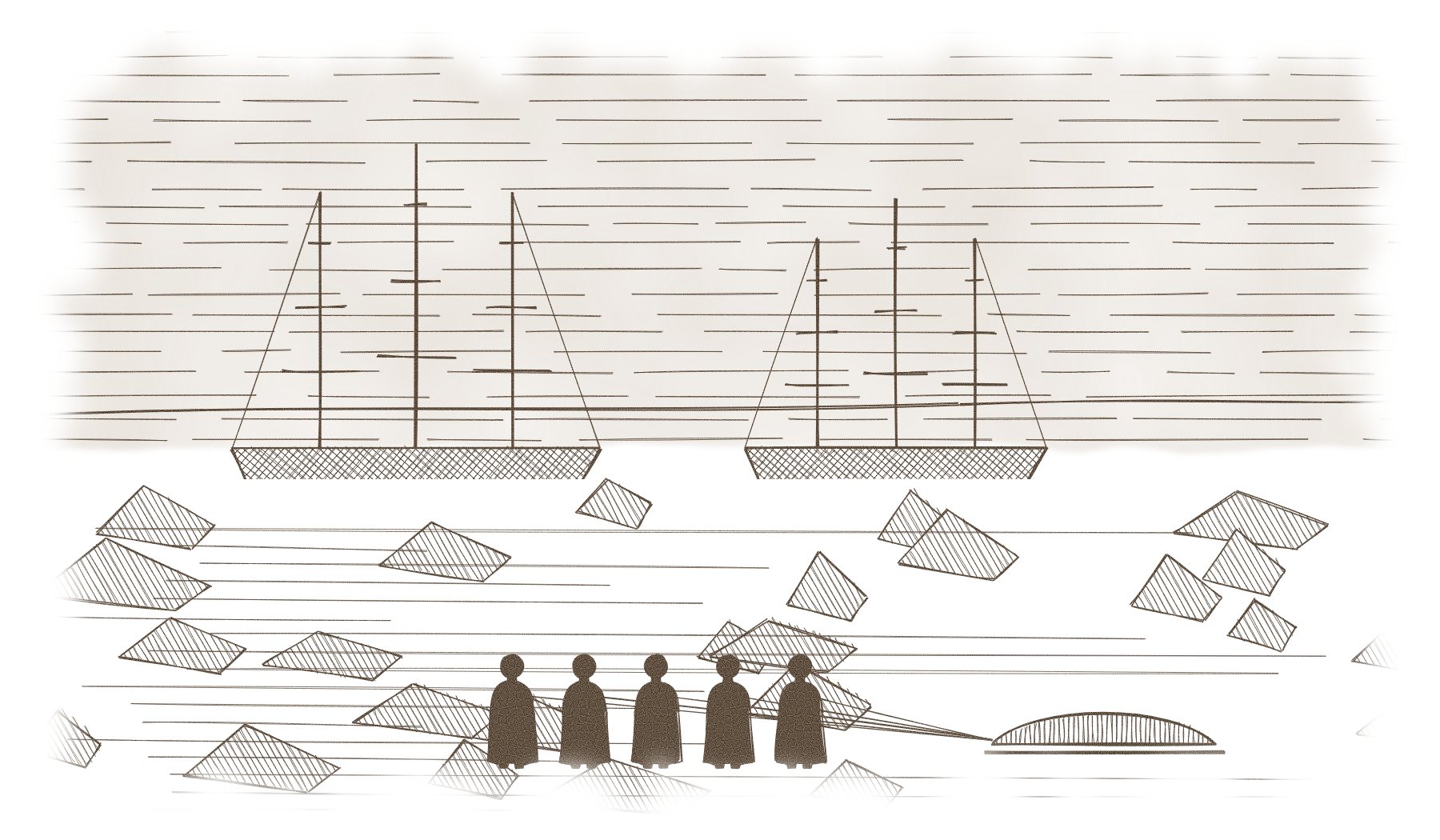
In 1845, Sir John Franklin sailed from England with two ships, HMS Erebus and HMS Terror, and 129 men, to find the Northwest Passage through the Canadian Arctic. None of them came back. The fate of the expedition became the great mystery of the Victorian age, and search after search failed to find the ships.
Then, in September 2014, a Canadian search led by Parks Canada found the wreck of Erebus in shallow water south of King William Island. Two years later, in 2016, Terror was found in a bay on the island's southwest coast — after a tip from an Inuk crew member who remembered seeing a mast sticking out of the ice years before.
The discoveries also confirmed something the Inuit had been saying for generations: the ships had ended up much further south than the British had believed. More recently, DNA work has even begun putting names to some of the men whose bones were found on the island.
The man on the beach
In 1948, a well-dressed man was found dead on Somerton Park beach in Adelaide, Australia. He had no identification, the labels had been cut out of his clothes, and in a hidden pocket was a scrap of paper reading Tamám Shud — Persian for "ended" or "finished," torn from a book of poetry. For more than seventy years, nobody knew who he was.
In 2021 his body was exhumed, and in 2022, researchers led by Professor Derek Abbott and the forensic genealogist Colleen Fitzpatrick announced that, using DNA and genetic genealogy, they had identified him as Carl "Charles" Webb, an electrical engineer from Melbourne.
How he died, and why, are still open questions. But after seventy-four years, he has a name again. I find that one genuinely moving.
Dead Mountain
In February 1959, nine young hikers died on a mountain in the northern Ural Mountains of the Soviet Union. Their tent had been cut open from the inside, and some of the bodies were found weeks later with severe injuries. The case — known as the Dyatlov Pass incident — spawned decades of theories, from secret weapons tests to the Yeti.
In 2021, two scientists, Johan Gaume and Alexander Puzrin, published a study using computer models of snow and wind — including techniques originally developed for animating snow in films — to show how a relatively small slab avalanche could have hit the tent, caused injuries like those found, and driven the hikers out into the dark. Russian prosecutors had reached a similar conclusion in 2020.
Not everyone's convinced, and some details are still debated. But the most likely explanation is now natural, not sinister — a reasonable decision in a terrifying moment, and a mountain that won.
The book nobody can read — dated, at least
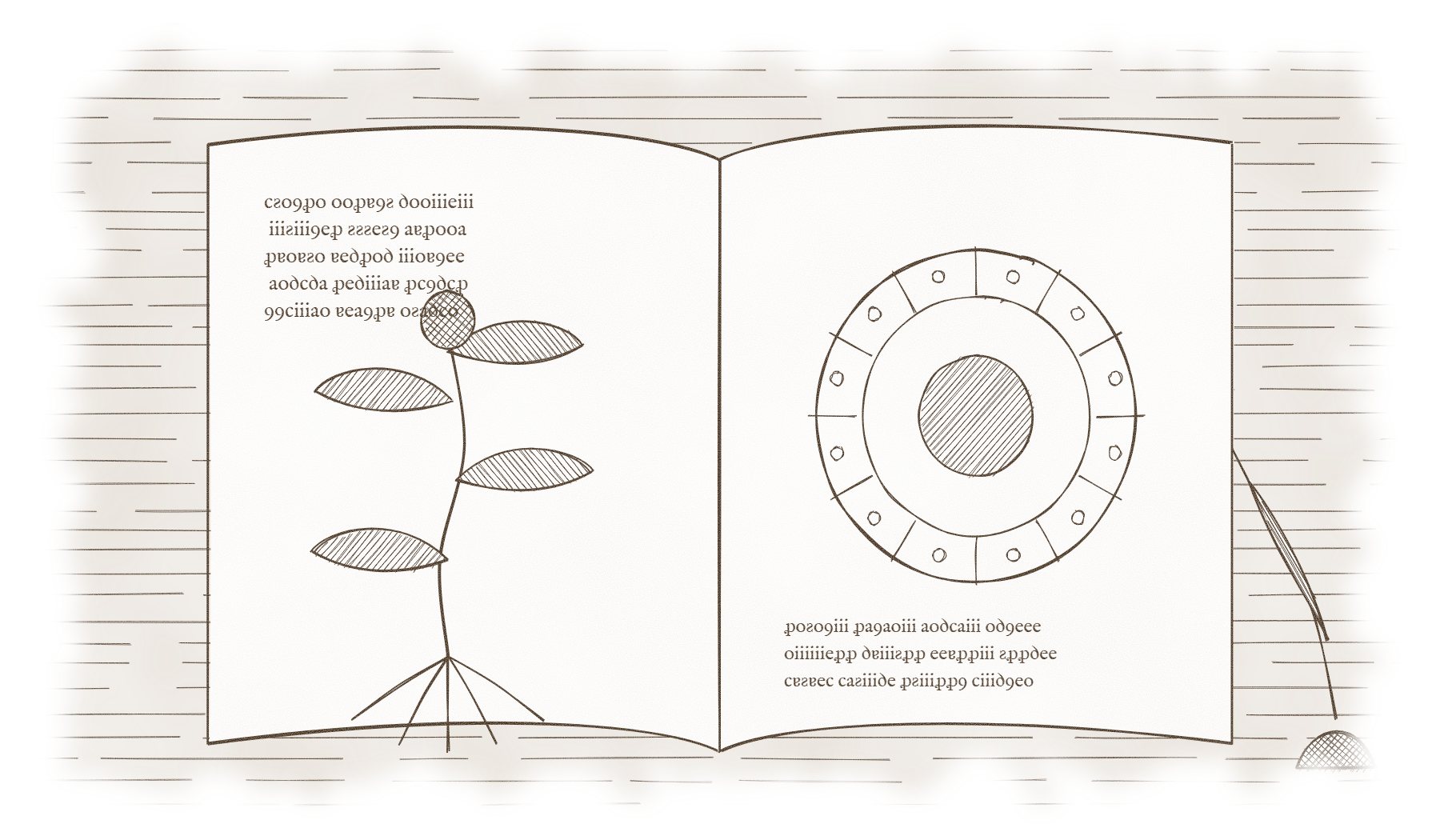
The Voynich Manuscript, held at Yale University, is a book full of strange drawings and an unknown script that nobody has ever convincingly deciphered. For a long time, even its age was disputed — some thought it was a modern forgery.
In 2009, researchers at the University of Arizona radiocarbon-dated its vellum to between 1404 and 1438. That didn't crack the text. But it settled the age question, ruled out several popular theories, and made a modern forgery very unlikely. Sometimes "partly solved" is still a big step.
Disproved: the lost prince
Not every solution confirms a romantic theory. Some kill one off.
Kaspar Hauser was a teenage boy who appeared in Nuremberg in 1828, claiming he'd been kept in a dark cell all his life. A popular theory held that he was secretly the lost heir to the royal house of Baden. In 2024, a team of geneticists published a study analysing well-documented hair samples, and found that his mitochondrial DNA didn't match the Baden family's maternal line. In their view, he couldn't have been the lost prince.
So we still don't know who he was. But we know who he probably wasn't — and that's real progress too.
What these cases have in common
A few things stand out:
- New tools change everything. Many of these were genuinely unsolvable fifty years ago.
- Local knowledge matters. In the Franklin case, Inuit oral history was right all along — and was ignored for far too long.
- Patience pays. Several of these breakthroughs came after years, even decades, of campaigning by people who refused to let the question go.
- "Solved" is often partial. We may know who someone was without knowing why they died.
The ones still waiting
Plenty of mysteries are still open. Amelia Earhart's plane hasn't been found. The fate of the Roanoke colonists is uncertain. The Voynich script is still unread. The Princes in the Tower are still missing.
But every case above was once on that list too. One new scan, one new sample, one tip from someone who remembers something — and any of them could change.
Echoes of History tells fourteen of these stories in full — the solved, the half-solved, and the ones still waiting — with what we can honestly say about each.
- #history
- #mysteries
- #DNA
- #science